

Living
Living in Kelowna
Neighbourhoods, housing and day-to-day life in Kelowna
Kelowna is a good place to live if you want sunshine, lake access and the outdoors, and can handle housing costs that are lower than Vancouver's but not cheap. About 165,000 people live in the city, and a 1-bedroom apartment averaged $1,834 a month in September 2026.
Quick links:
Kelowna gets about 1,950 hours of bright sunshine and under 400 mm of precipitation a year, and it sits on Okanagan Lake. The metro area has about 255,000 people, though many neighbourhoods still feel small.
The guides below cover neighbourhoods, renting and buying, cost of living, weather, transportation and utilities. The sections below answer the most common questions first.
Neighborhoods
Learn more
Buying Real Estate
Learn more
Renting
Learn more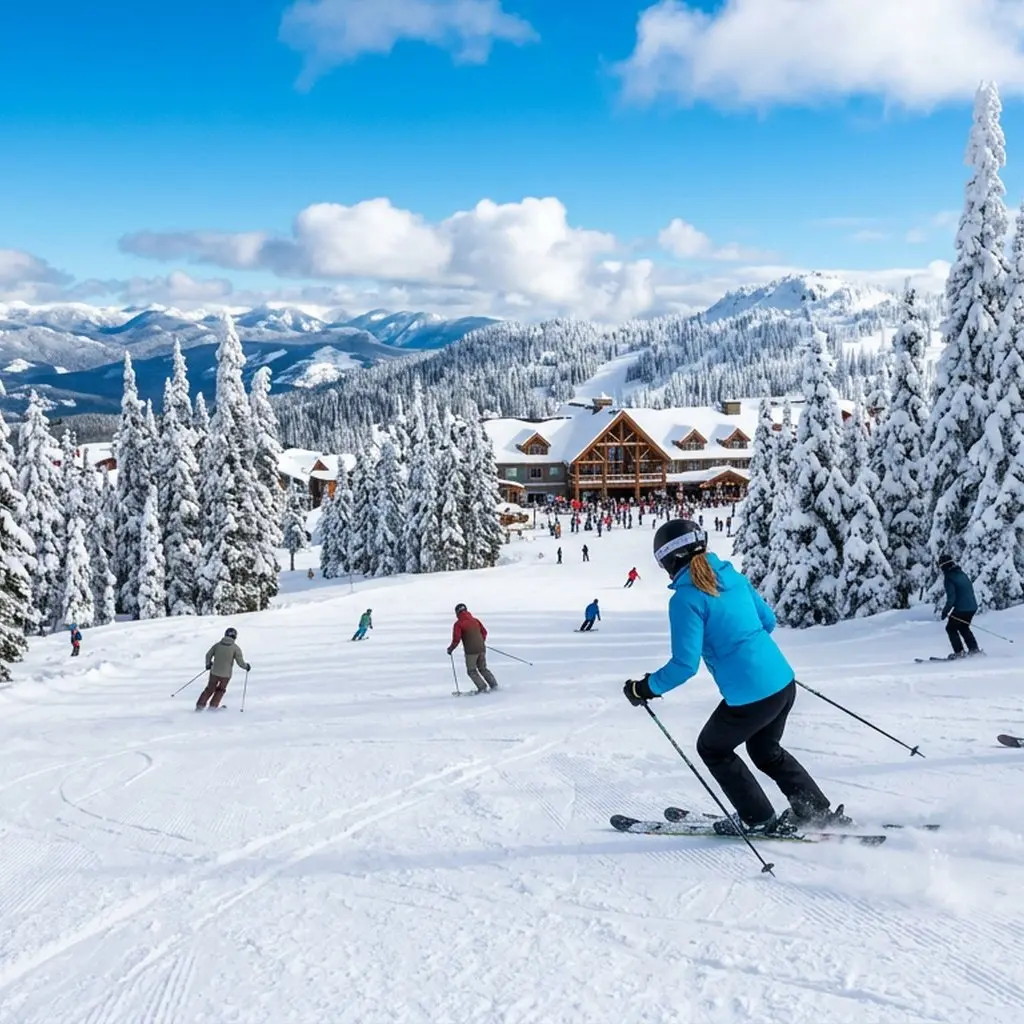
Cost of Living
Learn more
Weather & Climate
Learn morePros & Cons
Learn more
Public Transportation
Learn more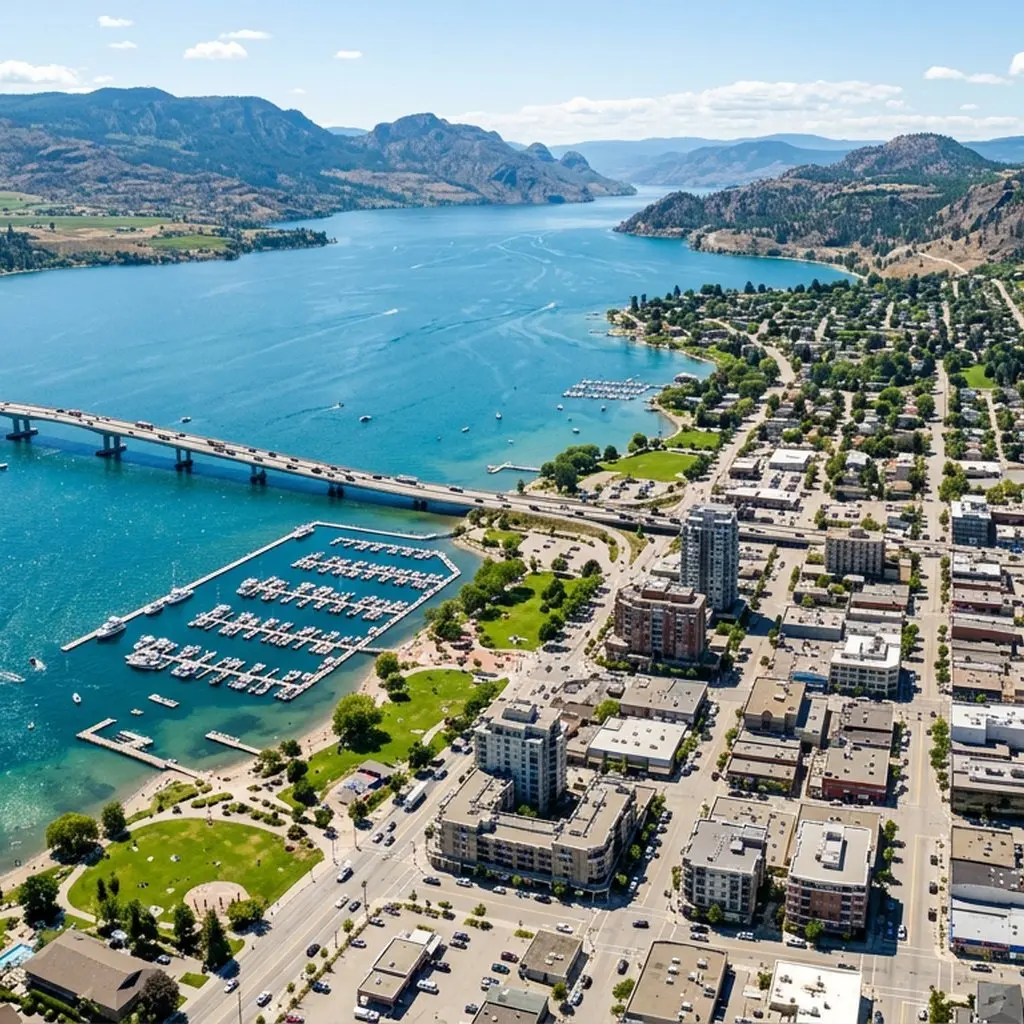
Utilities
Learn more
Gallery
Learn moreWhat is it like to live in Kelowna?
Living in Kelowna means mid-sized city life on a big lake, with hot, dry summers, short commutes and a car in most driveways. Summer days often reach the high 20s or low 30s. Big White is about an hour's drive away, and Tourism Kelowna counts more than 40 wineries within a short drive.
There are real downsides. Smoke from regional wildfires can hang over the valley for a week or more in some Augusts. Finding a family doctor can take months, so join the Health Connect Registry as soon as you arrive. Transit is limited outside the core, and July and August bring tourist traffic. Our pros and cons of living in Kelowna guide covers each one, and the weather guide breaks down the seasons. Coming from the coast? Read moving from Vancouver to Kelowna.
Where should you live in Kelowna?
The best neighbourhoods in Kelowna are Downtown and Lower Mission for walkability, Glenmore and Kettle Valley for families, and Rutland and West Kelowna for value. Downtown is mostly condos within walking distance of City Park and Bernard Avenue. Lower Mission and Pandosy Village put you near the beaches, while Upper Mission trades walkability for lake views and bigger lots.
For a quieter, more rural setting, Lake Country and Peachland are 15 to 25 minutes out. West Kelowna has its own shops and wineries, but the bridge slows at rush hour. Drive any area in the morning and evening before you commit. The Kelowna neighbourhoods guide has price ranges and catchment schools for each one. Then compare listings on our rental guide or the home buying guide.
How much does it cost to live in Kelowna?
The cost of living in Kelowna is lower than Vancouver's but higher than Calgary's or Edmonton's, and housing takes the biggest share. In September 2026, a 1-bedroom apartment averaged $1,834 a month and a 2-bedroom $2,270 (Rentals.ca and Urbanation). That same 1-bedroom averaged $2,373 in Metro Vancouver.
For buyers, the Central Okanagan single-family benchmark was $1,057,200 and the condo benchmark about $496,700 that month (Association of Interior REALTORS). Groceries for a family of four run roughly $800 to $1,100 a month, and a 30-day adult BC Transit pass is $80. Car insurance through ICBC is a cost newcomers often forget. See the full cost of living breakdown and the utilities guide to build a monthly budget.