
Living
Neighbourhoods in Kelowna
Facts checked · How we check facts
In this guide:
Kelowna's main neighbourhoods are Downtown, Lower Mission, Upper Mission, Glenmore, Rutland and Kettle Valley, with West Kelowna, Lake Country and Peachland nearby. Downtown and Lower Mission put you within walking distance of the beach and restaurants. Rutland and West Kelowna get you more house for your money, and young professionals mostly land in the North End, Downtown or South Pandosy. The one you pick decides your commute, your kids' school catchment, and how often you really get to the lake or the trails. Here's each major area with price ranges, catchment schools and the trade-offs locals will tell you about.
Downtown Kelowna
Downtown, along Bernard Avenue, is the city's most urban neighbourhood, and people live here to walk. Most homes are condos and apartments. The Central Okanagan condo benchmark price was about $491K in July 2026 (Association of Interior REALTORS).
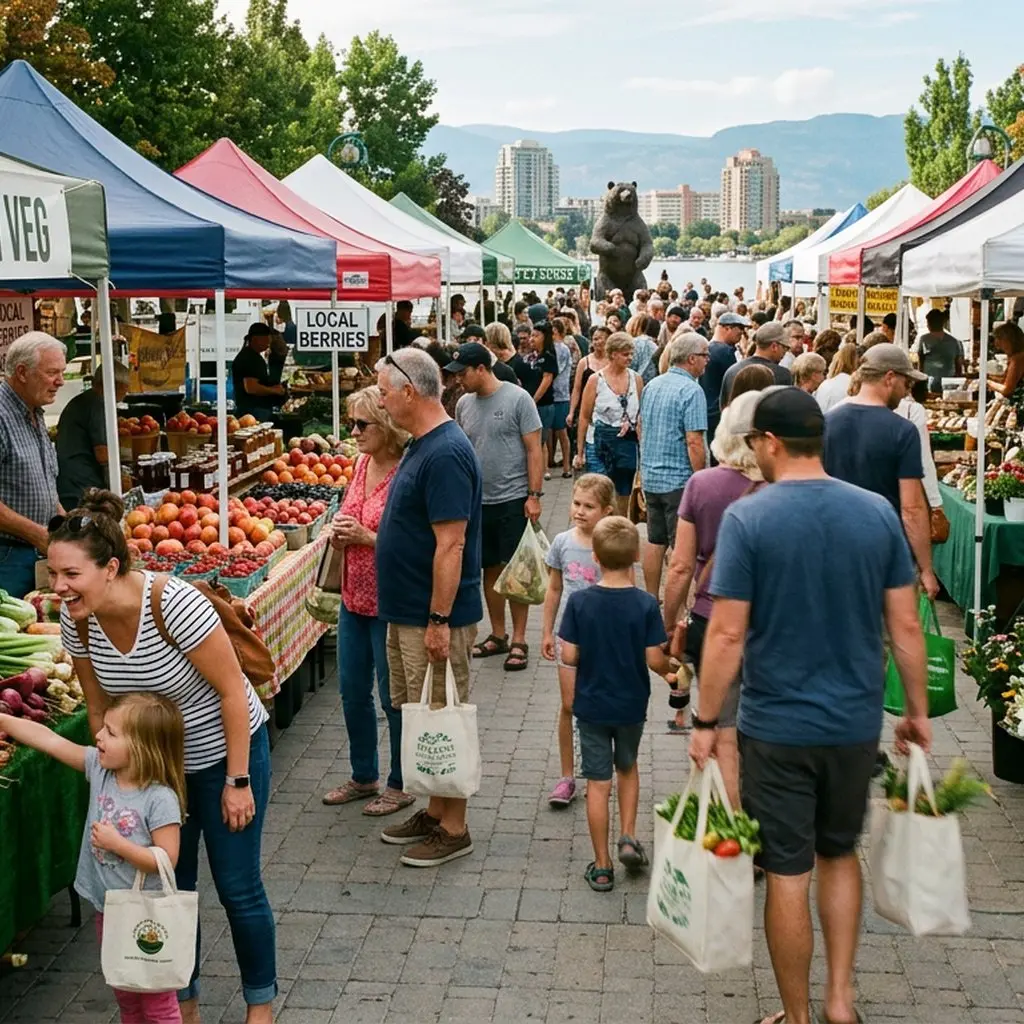
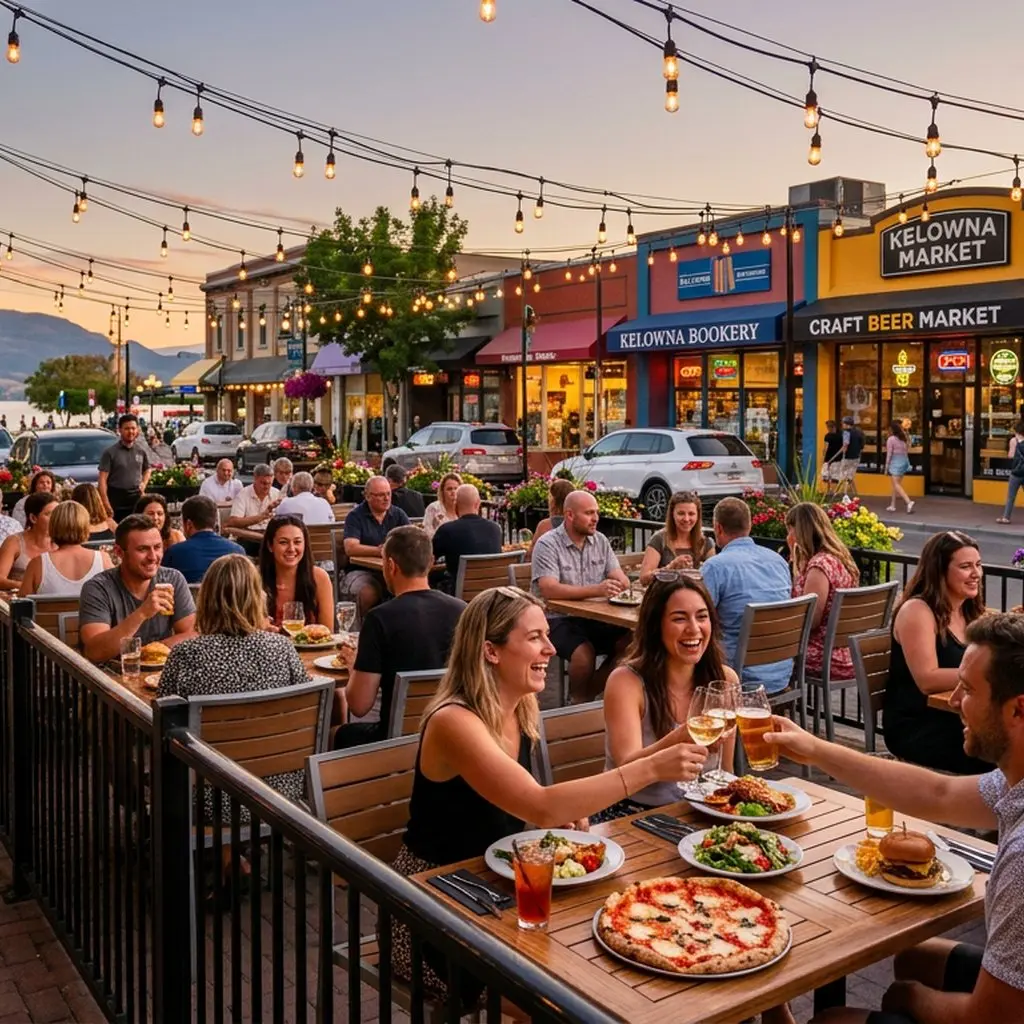
The waterfront high-rises get the lake views, while older walk-up buildings are the cheaper way in. City Park Beach, the Cultural District galleries, dozens of restaurants and craft breweries (BNA, Red Bird) are all within a 10-minute walk, and the Wednesday and Saturday Farmers' Market runs on Dickson Ave in the Landmark District. The Prospera Place arena hosts WHL hockey and concerts, the Kelowna Community Theatre is downtown too, and Bean Scene is a local coffee favourite.
There aren't many grocery stores in the core, so check what's closest to any building you're looking at. The downsides are smaller homes, more noise in summer tourist season, and limited parking. Paid street parking runs into the evening on some downtown blocks (check signage and kelowna.ca/parking), and most condo buildings come with one parking spot.
Tip: Upper-floor downtown condos with lake views sell for noticeably more than similar units facing inland. If you can live without the view, east-facing units in the same buildings are noticeably cheaper.
Lower Mission
Lower Mission runs from Pandosy Village south toward Gyro Beach, and it's the neighbourhood newcomers ask about most. Tree-lined streets, local shops along Pandosy Street and nearby beaches give it a relaxed, beach-town feel. Single-family homes average $900K–$1.5M, and some heritage and lakefront homes go past $3M.
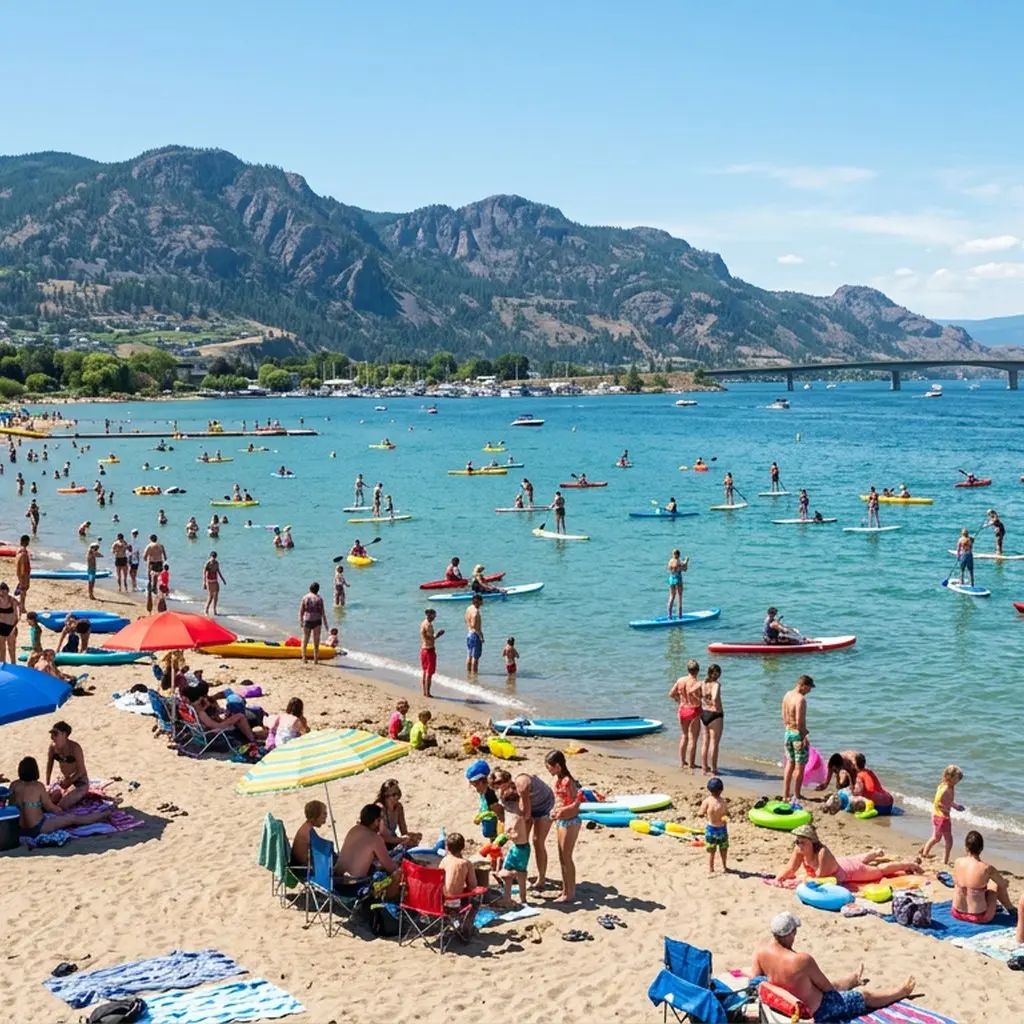
Townhomes and newer multi-family buildings get you in at around $600K–$800K. The catchment schools are a big draw: Dorothea Walker Elementary (Grades 3–5 English, Grades 3–6 French Immersion), Canyon Falls Middle School and Okanagan Mission Secondary (OKM), which is known for its sports. In summer, everyone ends up at Gyro Beach and Rotary Beach, while Pandosy Village handles shopping, dining and services all year.
For recreation there's the H2O Adventure & Fitness Centre (pools, gym, climbing wall) and the Capital News Centre. Many residents walk or bike the Mission Creek Greenway. Closer to downtown, South Pandosy's Abbott Street corridor along the lake is always busy with walkers and cyclists.
Upper Mission
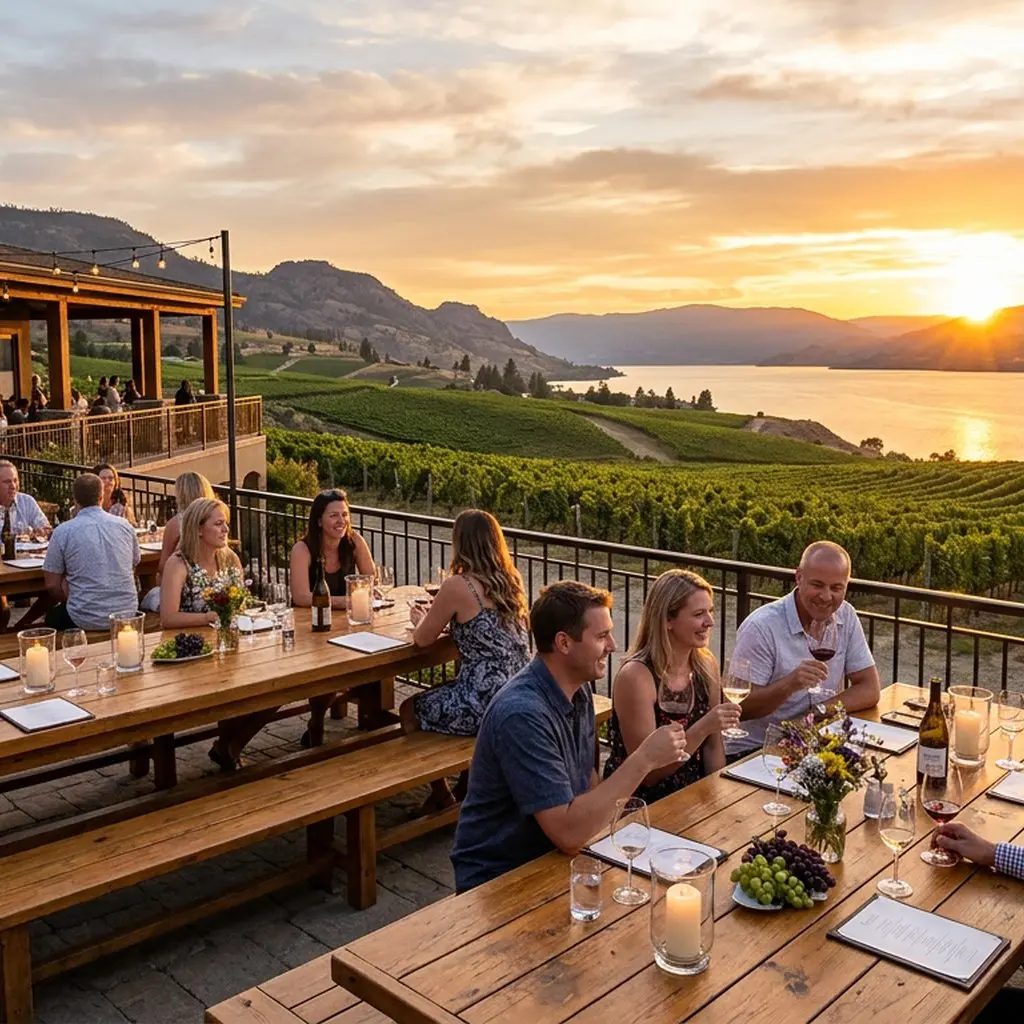
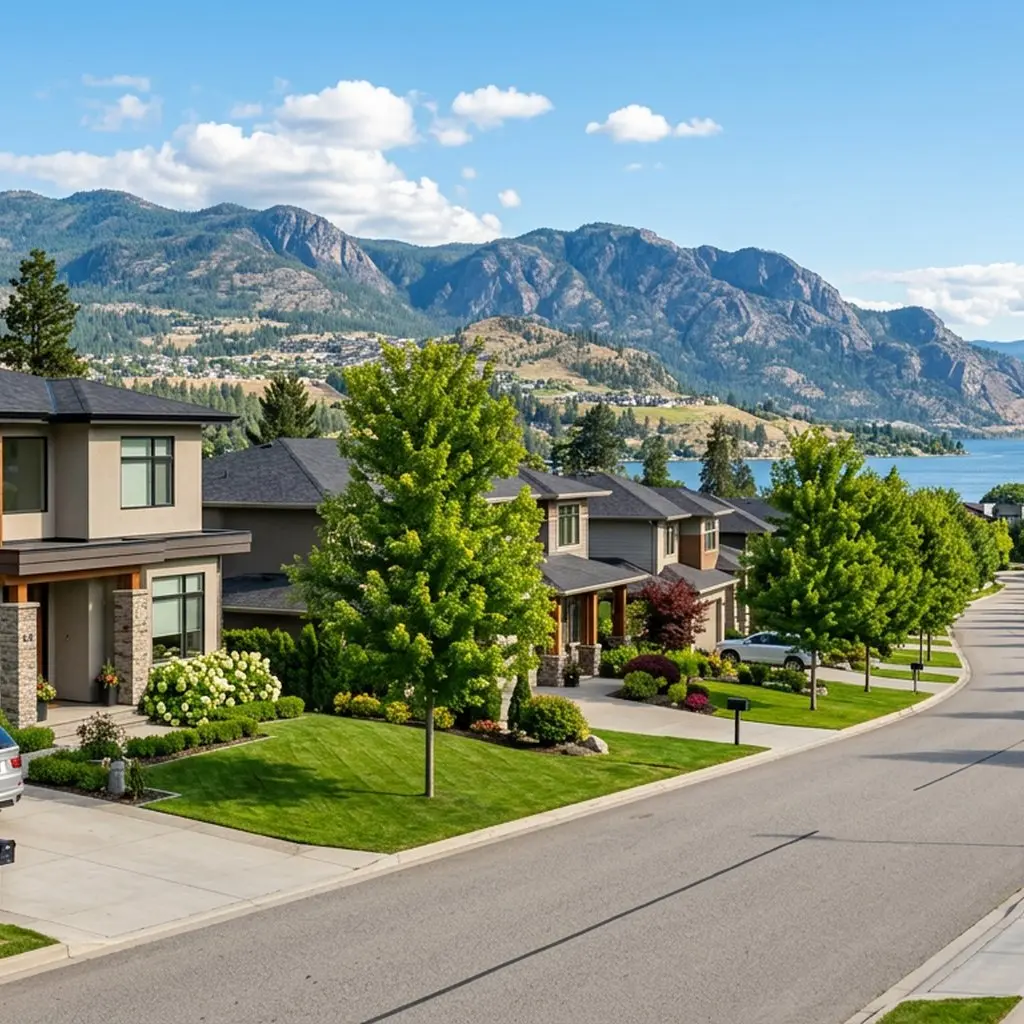
Upper Mission is the hillside neighbourhood above Lower Mission, with views over Okanagan Lake, the city and the mountains to the west. That view, especially at sunset, is what you're paying for. Larger lots, custom homes and newer builds range from $800K–$2M+.
It draws families, professionals and outdoor lovers who want space, privacy and quick access to the mountain biking and hiking trails in Myra-Bellevue Provincial Park. You can also reach the Kettle Valley Rail Trail and its trestle bridges from the upper streets. The catch is that it's spread out and you need a car.
Not much is within walking distance, so expect a 10–15 minute drive to Pandosy Village or downtown for shopping and dining. School catchments feed into Mission-area elementary schools and OKM Secondary.
Winter Driving: Upper Mission roads get steep and icy in winter, so you'll want good winter tires and ideally AWD. The city plows major routes, but side streets can take longer to clear after heavy snow.
Glenmore
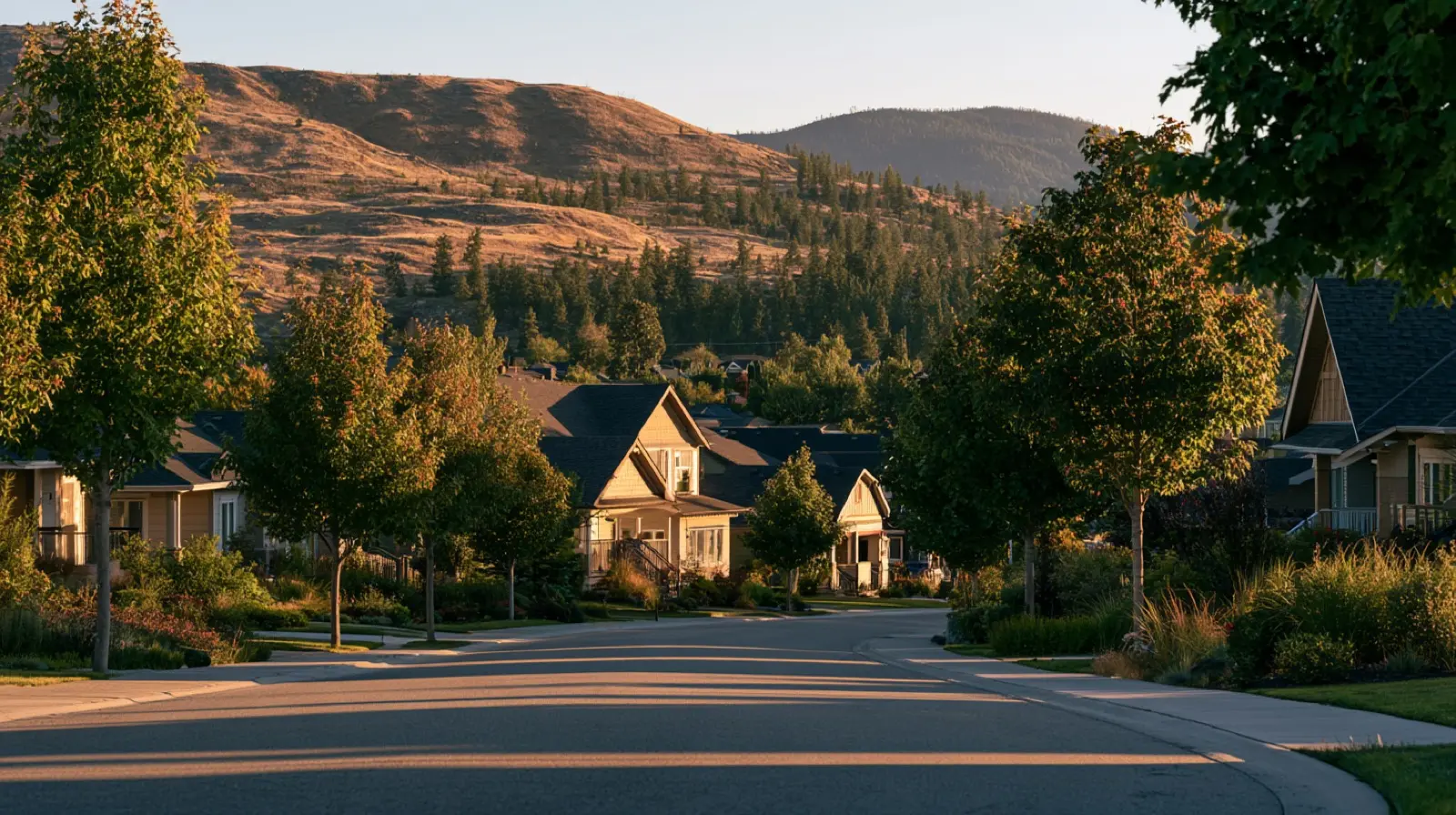
Glenmore is a long-established family neighbourhood north of downtown, between Highway 97 and Knox Mountain Park. Most homes date from the 1980s–2000s, with newer builds in Upper Glenmore. For reference, the Central Okanagan single-family benchmark was about $1.06M in September 2026 (Association of Interior REALTORS).
Families come for the schools, and North Glenmore Elementary, Bankhead Elementary and Dr. Knox Middle School are all well-liked. Knox Mountain Park, reached from the northeast corner of the neighbourhood, has several hiking trails with lake views, and locals use it a lot.
There's a strong community feel, with active neighbourhood groups, community gardens and seasonal events. Shopping and services are along Glenmore Road, and Glenmore Recreation Park is the main spot for outdoor sports. Orchard Park Mall is a short drive south for bigger stores.
It's suburban, but most downtown commutes take under 10 minutes.
Rutland
Rutland is Kelowna's most affordable established neighbourhood, which is why so many first-time buyers and young families start here. It has changed a lot in recent years, with new restaurants (especially along Highway 33), community facilities and new homes replacing older commercial areas. It's also one of the more culturally diverse parts of the city.
Schools include Quigley Elementary, Springvalley Elementary, Springvalley Middle and Rutland Senior Secondary, which is known for its trades and technical programs. Ben Lee Park and the Mission Creek Greenway give you green space, and Rutland Centennial Park and the YMCA are the main community hubs. Some parts of Rutland are rougher than others.
Drive the exact streets before you commit, and talk to the neighbours. The area is improving, and plenty of longtime residents will tell you it's the best value in the city.
Budget Tip: You generally get more house for your money in Rutland than in Glenmore or Lower Mission. For a family buying a first home, that can be the difference between a 2-bedroom condo and a 3-bedroom house with a yard.
Kettle Valley & South East Kelowna
Kettle Valley is a master-planned community in south-east Kelowna, built around families, with parks, playgrounds, pools, splash parks, greenways and walking trails. The Kettle Valley Trail runs right through it, giving you a car-free route for walking and cycling. Community events run all year, and Chute Lake Elementary is a popular choice.
The trade-off is distance. Kettle Valley is 15–20 minutes from downtown and mostly self-contained, with few shops and no grocery store inside the development. School catchments feed into south Kelowna elementary schools and Mission-area secondary schools.
The rest of South East Kelowna is more rural, with bigger lots, some farmland and vineyard properties.
West Kelowna & Westbank
West Kelowna is a fast-growing city across the William R. Bennett Bridge from Kelowna, with lake views and its own wineries. It's no longer just a place people sleep before commuting.
The shopping area along Highway 97, including Westbank Centre and new stores, means many residents rarely need to cross the bridge. Mission Hill Family Estate, Quails' Gate and Mount Boucherie Winery are all here, and Gellatly Bay is a popular spot for swimming and boating. Schools include Shannon Lake Elementary, Glenrosa Middle (which offers French Immersion) and Mount Boucherie Secondary.
The main drawback is the bridge at rush hour, when the morning and afternoon peaks can add a lot of time to your crossing. If you work on the Westside or remotely, it doesn't matter.
Commute Tip: For West Kelowna residents working in Kelowna, shifting hours to avoid the morning and afternoon peaks noticeably reduces bridge delays. BC Transit's Route 97 Okanagan RapidBus is another way across, running between Westbank and downtown Kelowna using the Highway 97 HOV lanes.
Lake Country
Lake Country, a 15-minute drive north of Kelowna, takes in Winfield, Oyama and Carr's Landing, semi-rural communities with orchards, farms and access to Kalamalka Lake. Wood Lake sits between Winfield and Oyama. 'Kal Lake', as locals call it, is known for its turquoise water, and Kal Beach and Jade Bay are the popular swimming spots. Homes tend to have bigger lots and more space than similar homes in the city.
George Elliot Secondary serves the area and is small by local standards. There are grocery stores, restaurants and professional services nearby, but you'll drive to Kelowna for bigger shopping trips. If you want rural and quiet, look at Oyama to the north, while Winfield is closer to the city's services.
The new Lake Country Official Community Plan is guiding growth while protecting the area's farmland character.
Peachland
Peachland is a small town 25 minutes south of Kelowna, squeezed between Okanagan Lake and the mountains. People move there for the small-town feel: neighbours know each other, and the local coffee shops and restaurants are where people meet. Community events (Peachland World of Wheels car show, Canada Day celebrations) are well attended.
Swim Bay, Hardy Falls Trail and the waterfront strip along Beach Avenue are all close by, and lakefront homes and view lots cost more. Peachland Elementary serves young families, while older students go to West Kelowna secondary schools. The trade-off is distance and fewer services.
You'll drive 25–30 minutes to Kelowna for major shopping, medical appointments and entertainment. It suits retirees and remote workers who don't need to be in the city every day.
Remote Workers: Peachland's quieter pace and lake access appeal to people who work from home. Just check high-speed internet options for the exact address before you buy.
Black Mountain
Black Mountain is a hillside neighbourhood on the eastern slopes above Rutland, with wide views of the city and Okanagan Lake, and it's quieter than the valley floor. People who want hiking and biking trails close to home like it here, but it's further from downtown and has fewer shops and services. The hillside roads can also be harder to drive in winter, so plan on good winter tires. One detail newcomers miss: water comes from the Black Mountain Irrigation District, not the City.
Best Neighbourhoods in Kelowna for Young Professionals
The best Kelowna neighbourhoods for young professionals are the North End (Brewery District), the Downtown Core and South Pandosy/Lower Mission, because you can walk to work, the lake and a bar without needing a car. The basic trade-off is simple: you either pay high rent to live near the lake, or you pay less and spend more time in traffic. Here's how each area stacks up on walkability, nightlife, coworking and commute.
North End / Brewery District
The North End is the former industrial and cannery area just north of downtown, and it's the main social hub for young professionals right now. Nearly 10 craft breweries sit within a few blocks, including BNA, Red Bird and Vice & Virtue, so there's always somewhere to meet people after work. It's flat and walkable to downtown and the lake. Remote workers can walk to the coworking desks at Spaces Innovation Centre on Doyle Avenue downtown. The catch is rent, which runs well above the city average even for a small one-bedroom, plus summer truck and motorcycle noise on Clement Avenue and plenty of construction.
Downtown Core
Downtown suits young professionals who want to walk to the office, the beach and nightlife. Every summer the City closes the 200 and 300 blocks of Bernard Avenue to cars from mid-May to early September for the Meet Me on Bernard patio program. Bike theft is a real problem, so look for a building with secure bike storage. Don't sign a lease without a parking stall if you own a car, since street parking is scarce and paid.
South Pandosy / Lower Mission
South Pandosy and the Lower Mission give you beach life with less downtown grit, which is why plenty of young professionals rent here. Gyro Beach has sand volleyball courts, and Kelowna Sport runs weeknight beach volleyball leagues there and at City Park, which is an easy way to meet people. You can bike downtown along the Abbott Street corridor. The trade-offs are summer traffic on Pandosy Street, which crawls, and a much quieter scene in winter.
Landmark District
The Landmark District is Kelowna's office hub along Harvey Avenue, where a lot of the city's tech and finance jobs are based. Living in one of the newer concrete buildings nearby means a short walk to work and better soundproofing between units than older wood-frame rentals. Third Space Coffee, a non-profit cafe on the ground floor of the Landmark 2 tower, is a good spot for casual meetings. The area goes quiet after office hours, and there aren't many grocery stores within walking distance.
Kelowna South / Hospital District
Kelowna South sits between downtown and the Mission, and its older character homes are often split into basement suites that young renters can afford more easily than a downtown condo. It's flat with bike lanes, so you can cycle almost everywhere. Kelowna General Hospital is the big downside. Expect ambulance sirens at all hours and tight street parking, since hospital traffic fills the free spots.
Glenmore
Glenmore usually makes sense for young professionals once they're buying a first townhouse or renting with a partner, since you get more space for the money. It's car-dependent and has almost no nightlife, so a night out downtown means a cab or rideshare home.
Rutland
Rutland has some of the city's most affordable rent and a lot of its best independent restaurants, so it works if saving money matters more than walkability. Highway 33 runs through the middle, much of it is spread-out strip malls, and the bus ride downtown is slow.
Black Mountain
Black Mountain has large basement suites in newer houses for less than you'd pay in town, and it shortens the drive to Big White. It's isolated, though, and getting downtown for drinks takes planning.
Upper Mission and West Kelowna
Most young professionals should skip Upper Mission, which has no nightlife, little walkability and nowhere close to grab a coffee. West Kelowna's cheaper rent only pays off if you work on the Westside, because summer bridge traffic can eat up whatever you save.
How Do You Choose a Neighbourhood in Kelowna?
Choosing a Kelowna neighbourhood comes down to your commute, school catchments and budget. The best way to decide is to visit and spend time in each area. Drive through in the morning and again in the evening to get a feel for traffic, noise and street life, and ask people in coffee shops, since most locals are happy to tell you what they think of their part of town.
For families, SD23 publishes school catchment boundaries on sd23.bc.ca. Then think about your daily routine and how far you'll be from work, schools, grocery stores and recreation. Plenty of residents have lived in several neighbourhoods before settling on their forever home, so it's a fair plan to start somewhere cheaper like Rutland or West Kelowna and move once you know the city.