

Moving to Kelowna, BC
What is it like to live in Kelowna?
Kelowna is a mid-sized city on Okanagan Lake with hot, dry summers, cold winters and much of daily life spent outdoors. People ski at Big White in winter and paddle the lake on summer evenings. The trade-offs are housing costs, smoke in some summers and a long wait for a family doctor. The pros and cons of living in Kelowna guide covers both sides.
Most moves involve the same tasks: finding housing, work, schools and a doctor. This site covers each one, and every page is checked against the organisations and businesses it covers; see How we check facts. For a move from the coast, start with moving from Vancouver to Kelowna.
What does it cost to live in Kelowna?
Living in Kelowna costs less than Vancouver, and the savings come almost entirely from housing. A 1-bedroom averaged $1,834 a month in September 2026, against $2,373 in Metro Vancouver. A 2-bedroom averaged about $2,270. Groceries and everyday spending cost about the same in both cities. The cost of living guide has line-by-line numbers, and the moving checklist covers the rest of the move.
Kelowna at a glance
- 165,000+people in the city (Statistics Canada 2025 estimate), about 255,000 in the metro area
- $1,834average asking rent for a 1-bedroom (September 2026)
- $1,057,200Central Okanagan single-family benchmark price (September 2026)
- ~1,950hours of bright sunshine a year at Kelowna airport
- 390 kmto Vancouver, about 4 hours by car via the Coquihalla
- YLWKelowna International Airport, about 14 km from downtown
Kelowna Guides & Resources
The guides cover Kelowna neighbourhoods, cost of living, jobs, schools, weather and outdoor recreation.
Live in Kelowna
Neighborhoods, renting, buying, cost of living
Work in Kelowna
Jobs, tech industry, remote work, healthcare
Play in Kelowna
Wineries, beaches, skiing, trails, dining
Learn in Kelowna
Schools, enrollment, districts, higher education
Neighborhoods
Detailed profiles of every Kelowna area
Cost of Living
Real numbers for housing, groceries, utilities
Weather & Climate
Four seasons, sunshine hours, what to expect
Outdoor Recreation
Hiking, biking, paddling, skiing year-round
Latest Articles
View all posts
Food & Drink
Kelowna Wine Tours
Kelowna wine tour companies compared: what tours cost and include, pickup areas, Westside, Lakeshore and Lake Country routes, and e-bike or bus options.
Oct 20, 2026

Relocation
Moving from Vancouver to Kelowna
What moving from Vancouver to Kelowna involves: the drive and flights, home prices and rents compared, climate, jobs, schools and what you give up.
Oct 12, 2026
Food & Drink
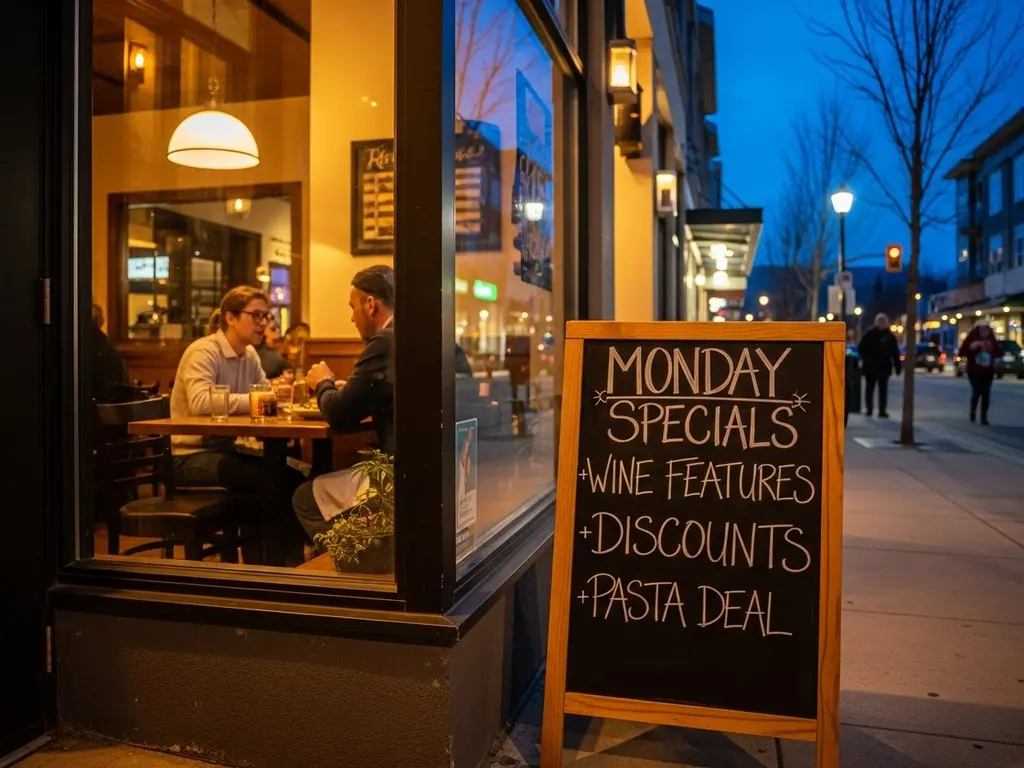
Monday Food Specials in Kelowna
A local's guide to the best Monday food and drink specials in Kelowna. Find out where to get cheap wings, happy hour deals, and exactly what to order.
Mar 16, 2026
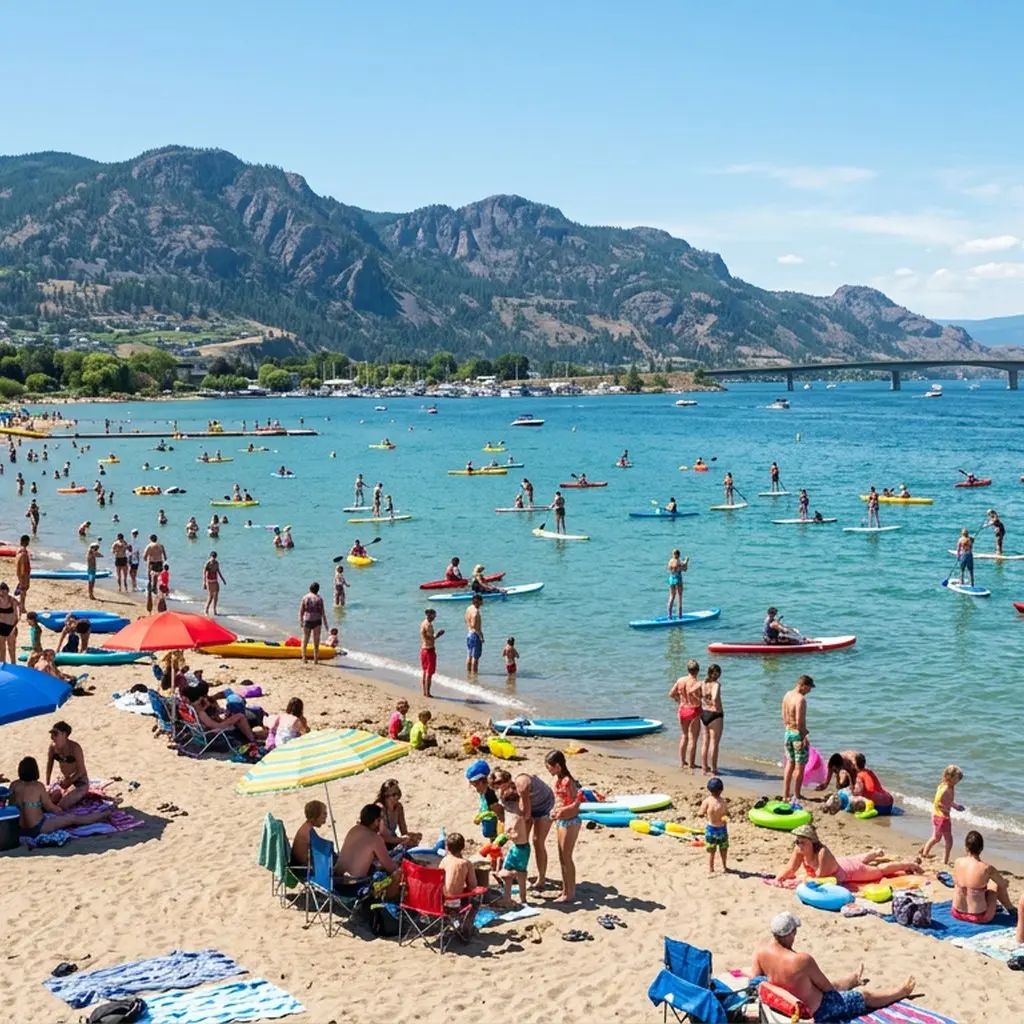
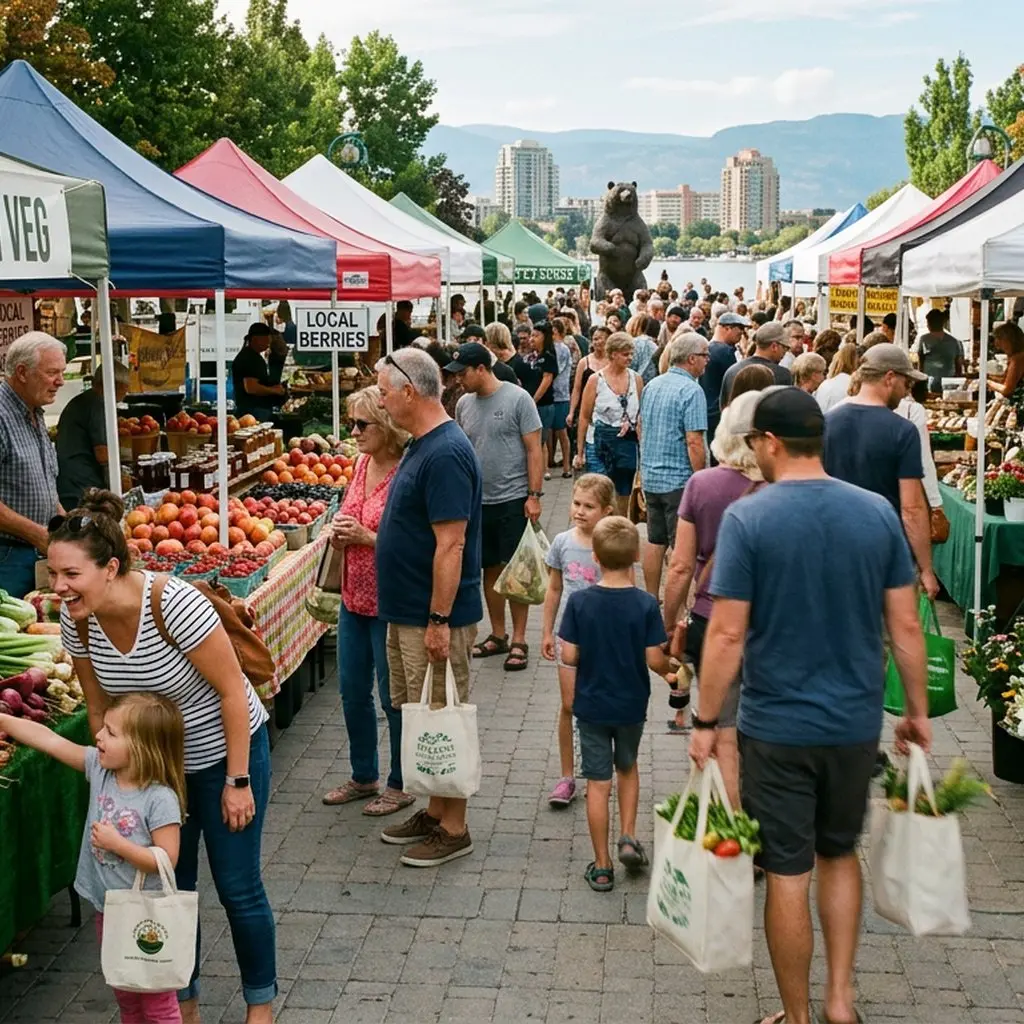
Kelowna in Pictures
View more photos of Kelowna



Moving to Kelowna FAQ
These are the most common questions about moving to Kelowna. The full moving FAQ covers more. Home prices come from the Association of Interior REALTORS, and transit fares from BC Transit.