

Living
Cost of Living in Kelowna
Facts checked · How we check facts
In this guide:
Kelowna's cost of living is lower than Vancouver's or Victoria's but higher than Calgary's or Edmonton's, and housing is the biggest expense. If you're budgeting a move, here's how it breaks down across housing, groceries, transportation, childcare, healthcare and recreation.
Kelowna vs your city
Pick where you're moving from.
MLS Home Price Index benchmark, single-family/detached, from each local real estate board: Central Okanagan vs Metro Vancouver, September 2026.
Rentals.ca & Urbanation National Rent Report (average asking rent, all property types), September 2026 listings.
Same source, September 2026 listings.
BC Transit 30-day adult pass vs TransLink 1-zone monthly pass.
A one-bedroom renter moving from Vancouver would pay about $539 less a month in Kelowna, or $6,468 a year.
Benchmarks describe a typical home, not every sale, and the areas each board covers differ. Prices change monthly, so check the sources before you decide.
Housing: The Biggest Line Item
Housing is the biggest cost of living in Kelowna, with a single-family benchmark price of about $1.06 million (September 2026, Association of Interior REALTORS), roughly 40% less than the Greater Vancouver detached benchmark of $1.78 million. Condos start around $300K in Rutland, the condo benchmark is about $495K, and detached homes in Lower Mission often top $1.5M. With 20% down on a $750K condo or townhome at current rates, expect a monthly mortgage payment of approximately $3,200–$3,600.
If you're renting, a 1 bedroom costs $1,600–$1,900/month, more in newer buildings with amenities, with Downtown and Pandosy the priciest areas; a basement suite at $1,200–$1,500 is the usual way to spend less. A 2 bedroom runs $1,800–$2,400/month; families get the best value in Rutland, West Kelowna and Lake Country, where purpose-built rental buildings offer modern units at the lower end of that range. A 3 bedroom house with a yard in a family-friendly neighbourhood is $2,400–$3,200/month, and larger rentals are harder to find, so start your search early.
Property tax averages approximately 0.45% of assessed value, which works out to about $3,375/year or $281/month on a $750K home, lower than many Ontario municipalities.
Monthly Expenses Breakdown
Monthly expenses in Kelowna beyond housing include groceries at $800–$1,100 for a family of four, apartment utilities at $150–$200 and ICBC car insurance at $150–$250.
Groceries (family of 4)
$800–$1,100/month. Most people shop at Costco, Save-On-Foods, Superstore and Walmart, with Nature's Fare and the Kelowna Farmers' Market for premium organic options. From May to October, farm stands and farmers' markets can cut the produce bill significantly.
Utilities (apartment)
Plan on $150–$200/month for electricity, gas and water. Houses run $200–$300 depending on size, heating system and whether you have air conditioning. Many newer homes have heat pumps, which are more energy-efficient.
Internet
$60–$100/month gets you 75–1000 Mbps from Telus PureFibre or Shaw/Rogers, the two main providers. Bundling internet with mobile (Shaw Mobile) can cut your overall telecom bill significantly.
Car Insurance (ICBC)
$150–$250/month depending on your vehicle, driving record and coverage level. ICBC is BC's public insurer, so you can't shop around for basic coverage, though optional coverage is available from private insurers. A good driving record earns significant discounts.
Gas
$1.55–$1.75/litre, typically $0.10–$0.20 cheaper than Vancouver. Most commutes are short (under 20 minutes), so a typical sedan costs $100–$180 a month to fuel.
Childcare
Full-time daycare is $800–$1,200/month per child. BC's $10-a-day childcare program is expanding, and qualifying spaces cost $200/month, but there are waitlists for subsidized spots. Register during pregnancy or as early as you can.
Dining Out
A casual meal is $15–$25/person, a mid-range restaurant $30–$50/person, and winery dining $50–$80/person. Tip 18–20%. A latte at a coffee shop runs $4–$7.
Budget Snapshot: A family of four with a $750K home (20% down) should expect total monthly costs of approximately $6,500–$8,500, covering mortgage, utilities, groceries, insurance and transportation. A couple renting a one-bedroom apartment will spend approximately $3,500–$4,500/month all-in. Both figures assume moderate lifestyle spending.
Healthcare Costs
Healthcare in Kelowna is covered by BC's Medical Services Plan (MSP), which has no monthly premium; it's funded through general taxation and covers medically necessary physician services and hospital care. What it doesn't cover is prescription medications, dental care, vision care and paramedical services (physiotherapy, massage), so most people rely on extended health insurance through an employer or a private plan. A family plan runs $100–$300/month. Without one, dental cleanings cost $200–$350 out-of-pocket and a standard eye exam runs $100–$150.
Recreation & Lifestyle Costs
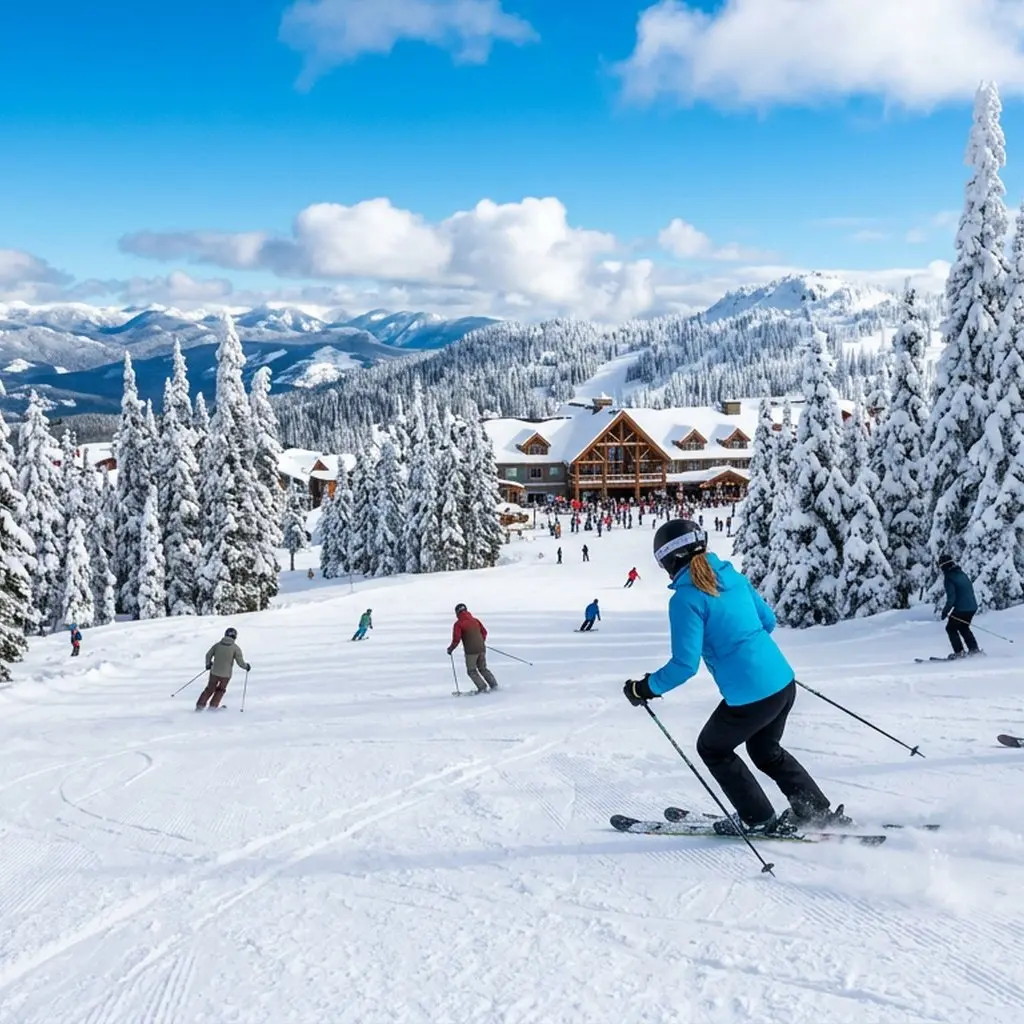
Recreation in Kelowna ranges from $5–$8 rec centre drop-ins and $10–$25 winery tastings to 18 holes of golf at $50 to $150+. Big White Season Pass prices vary by season and early-bird timing, so check Big White's site; family passes are available, and if you ski regularly a season pass usually pays off. Green fees run from $50 at Michaelbrook to $150+ at The Harvest or Gallagher's Canyon, and twilight and shoulder-season rates save a lot.
A gym runs $30–$70/month depending on the facility, but City of Kelowna recreation centres have affordable drop-in rates ($5–$8), and H2O Adventure + Fitness Centre in the Mission has a pool, gym and climbing wall. Winery tastings cost $10–$25 and are typically waived if you buy something. Wine club memberships bring discounts and exclusive access, and a $15–$30 bottle of local wine bought at the winery is comparable to $20–$40 retail.
At Landmark Cinemas Kelowna a regular movie is $14–$16, Tuesday discount nights are $8–$10, and IMAX and premium formats cost $18–$22.
How Kelowna Compares
Kelowna costs less than Vancouver and Victoria but more than Calgary and Edmonton, and housing drives most of the gap. In September 2026 a benchmark detached home was about 41% cheaper than in Metro Vancouver and 17% cheaper than in Victoria's core, but 43% more than in Calgary, while one-bedroom rents ran about 23% below Vancouver's and 22% above Calgary's. What you're paying for is what's outside your door: the lake, the trails, wine country and a hot, dry summer. If you'll use them, it's good value; if you won't, the price is harder to justify.
How Can You Save Money in Kelowna?
The main ways to save money in Kelowna are sharing a rental, taking the bus or cycling, using free parks and beaches, and living in Rutland, West Kelowna or Lake Country.
Find a Rental
Sharing with roommates is a common way to cut housing costs, especially while you're new to the city. Locals look for listings on Castanet and Facebook Marketplace.
Take the Bus or Ride
A 30-day adult BC Transit pass is $80, and buses run most often in central areas. Kelowna keeps adding bike lanes and paved trails like the Okanagan Rail Trail, so if you live close in, walking or cycling for errands saves real money.
Use the Free Stuff
Hiking, swimming in Okanagan Lake and parks like City Park cost nothing, and many festivals and community events are free too, so watch local listings for free concerts and outdoor movies.
Eat and Drink for Less
Cooking at home more often is the simplest saving of all. When you do go out, happy hour specials cut the cost of drinks and appetizers at many restaurants. In summer, farmers' markets like the Kelowna Farmers' and Crafters' Market often have competitive prices on local produce.
Plan Winery Visits
If you're doing several wineries in a day, a wine tasting pass can cost less than paying for tastings one at a time. Brewery flights are usually cheaper than wine tastings anyway.
Live a Little Further Out
Renting or buying in Rutland, West Kelowna or Lake Country generally costs less than in the areas close to downtown.