
Career
Healthcare in Kelowna
Facts checked · How we check facts
In this guide:
Kelowna is the healthcare hub of British Columbia's Interior, anchored by Kelowna General Hospital and serving the Central Okanagan and much of the wider Interior. The hard part for newcomers is finding a family doctor. This page covers the main facilities, how to get care in the meantime, MSP enrolment and healthcare jobs.
Healthcare Facilities
The main healthcare facilities are Kelowna General Hospital and Urgent and Primary Care Centres downtown and in Rutland. There are also walk-in clinics in most neighbourhoods and a growing group of specialists.

Kelowna General Hospital (KGH)
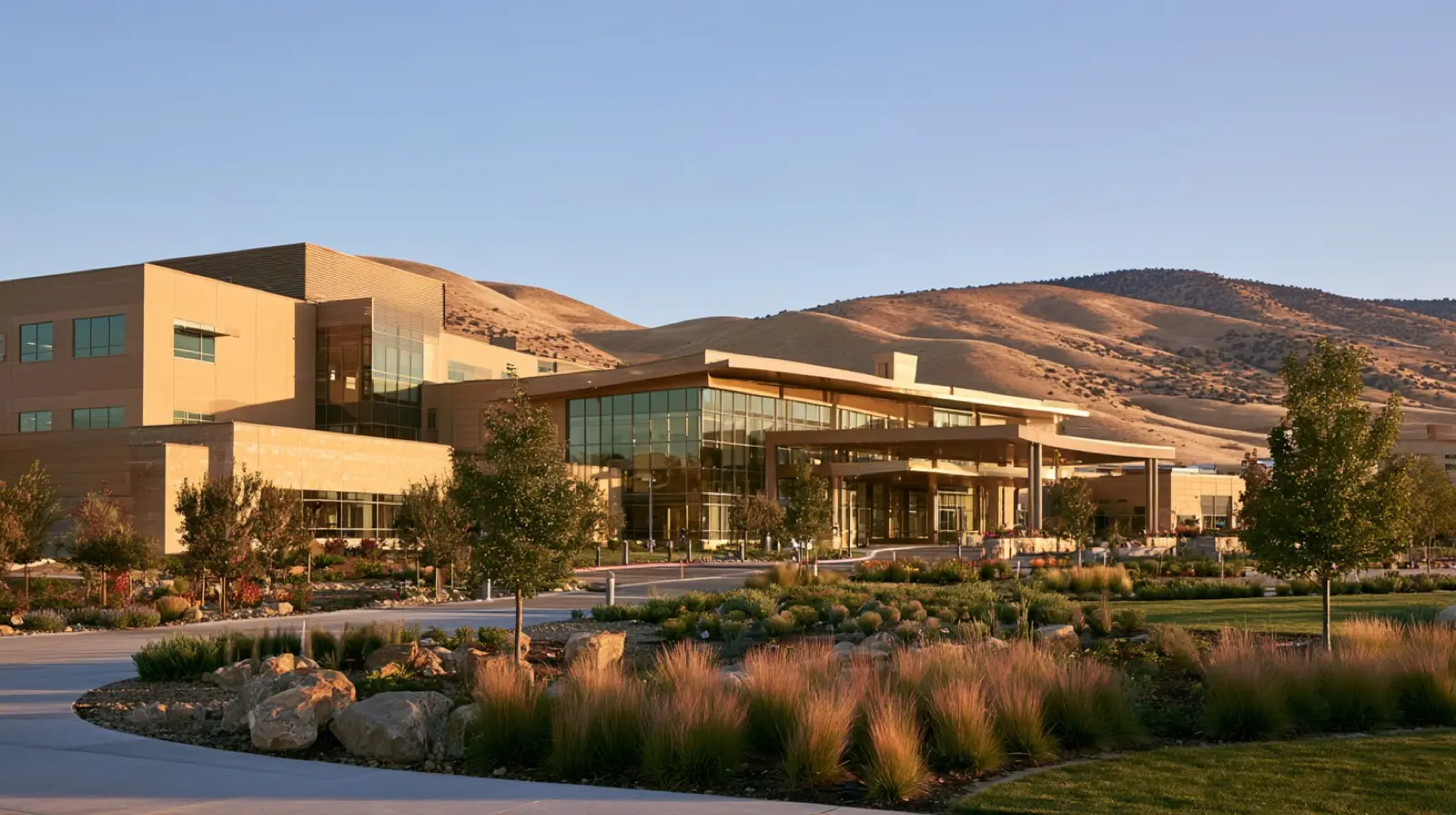
The largest hospital in the BC Interior and the referral centre for the whole region. KGH offers acute care and surgery (including orthopedic, cardiac and general surgery), a regional cancer centre (BC Cancer's Centre for the Southern Interior) and a cardiac catheterization lab, along with a neonatal intensive care unit, psychiatric services and 24/7 emergency care. The $381M Interior Heart and Surgical Centre project, finished in 2015, added heart surgery and new operating rooms.
Urgent & Primary Care Centres
The Urgent and Primary Care Centres, downtown and in Rutland, take walk-ins for non-emergency problems like sprains, infections, minor injuries and prescription renewals. Wait times vary. They exist to take pressure off KGH's emergency department and make basic care easier to get.
Walk-In Clinics
First-come, first-served, with no appointment needed. There are clinics in most neighbourhoods, including the Mission, Glenmore, Rutland and downtown. Waits run from 30 minutes to 2+ hours, depending on the time of day.
Specialists
The local group of specialists is growing and covers orthopedics, dermatology, cardiology, oncology, ophthalmology, urology and psychiatry. You'll usually need a referral from a GP or walk-in doctor. Non-urgent visits can take weeks to several months, depending on the specialty.
How do you find a family doctor in Kelowna?
To find a family doctor in Kelowna, join the Health Connect Registry (healthlinkbc.ca), the official provincial waitlist. Average waits run from several months to over a year. It's one of the biggest challenges here, as it is across BC.
Register the day you arrive, not when you first need care. In the meantime, use walk-in clinics, urgent care centres for non-emergency problems, and virtual care apps. Stick with the same walk-in clinic if you can, so someone knows your history.
Healthcare Workaround: Until you have a family doctor, make one walk-in clinic your regular. Many clinics let you see the same doctor each time, which gives you a family doctor in all but name. Telus Health MyCare and Maple offer virtual visits 24/7 for prescription renewals, minor problems and specialist referrals.
BC Medical Services Plan (MSP)
BC's Medical Services Plan (MSP) is the provincial health plan every BC resident is required to enrol in. According to the BC government, it covers everyone for medically necessary doctor visits and hospital care. There's no monthly premium, because MSP is paid for through general taxes (unlike Ontario's health premium on higher incomes).
If you're coming from another province, apply for MSP once you become a BC resident. Coverage can take up to three months to start. Keep your old province's coverage until then.
Apply online at gov.bc.ca/MSP. You'll get a BC Services Card, which is your health card and can also work as government photo ID.
Extended Health Services
Extended health services like dental, vision, outpatient physio and counselling are only partly covered by MSP, or not at all, so most people pay for them privately or through extended health insurance.
Dental Care
Not covered by MSP. Cleanings cost $200–$350 and fillings $150–$300, and major work costs a lot more. Employer extended health insurance usually covers 80% of dental costs. Private plans are available from $50–$150/month for individuals.
Vision Care
Most adults pay for their own eye exams ($100–$150). MSP does cover yearly eye exams for children under 19 and adults over 65. Glasses and contact lenses aren't covered. Extended health plans usually give you $200–$500/year for vision costs.
Physiotherapy & Rehabilitation
MSP covers some physio in hospital or community settings, but most outpatient physio is paid privately or through extended health. Sessions cost $80–$120, and there are physio clinics in most neighbourhoods.
Mental Health
MSP covers psychiatrist visits (with a referral). Counselling and psychology aren't covered and cost $150–$225/session, though many extended health plans cover psychology. CMHA Kelowna, Interior Health's mental health programs and the 310Mental Health Support line (310-6789) can also help.
Healthcare Employment
Healthcare is one of the city's largest and most stable employment sectors. Interior Health Authority regularly posts jobs for registered nurses, licensed practical nurses, health care assistants and lab techs, as well as medical imaging technologists, pharmacists, managers and support staff. KGH's expansion has created hundreds of new jobs at every level.
UBC Okanagan's Southern Medical Program trains doctors, and many choose to stay in the region. Wages are set by provincial union agreements, so they match other parts of BC, but the Okanagan lifestyle gives employers a big edge in hiring. Interior Health actively recruits health workers from across Canada and around the world.